
Richmond, BC | City Profile
Get to Know Richmond, British Columbia
Located immediately south of Vancouver, Richmond, BC is a growing city in Metro Vancouver known for its waterfront setting, distinct neighbourhoods, agricultural lands, parks and trails, convenient transportation connections and wide variety of housing.
Most of Richmond is located on Lulu Island, at the mouth of the Fraser River, while Sea Island is home to Vancouver International Airport (YVR). With an average elevation of approximately one metre above sea level and a landscape shaped by the Fraser River and Pacific coastline, Richmond has a geography unlike anywhere else in Metro Vancouver.
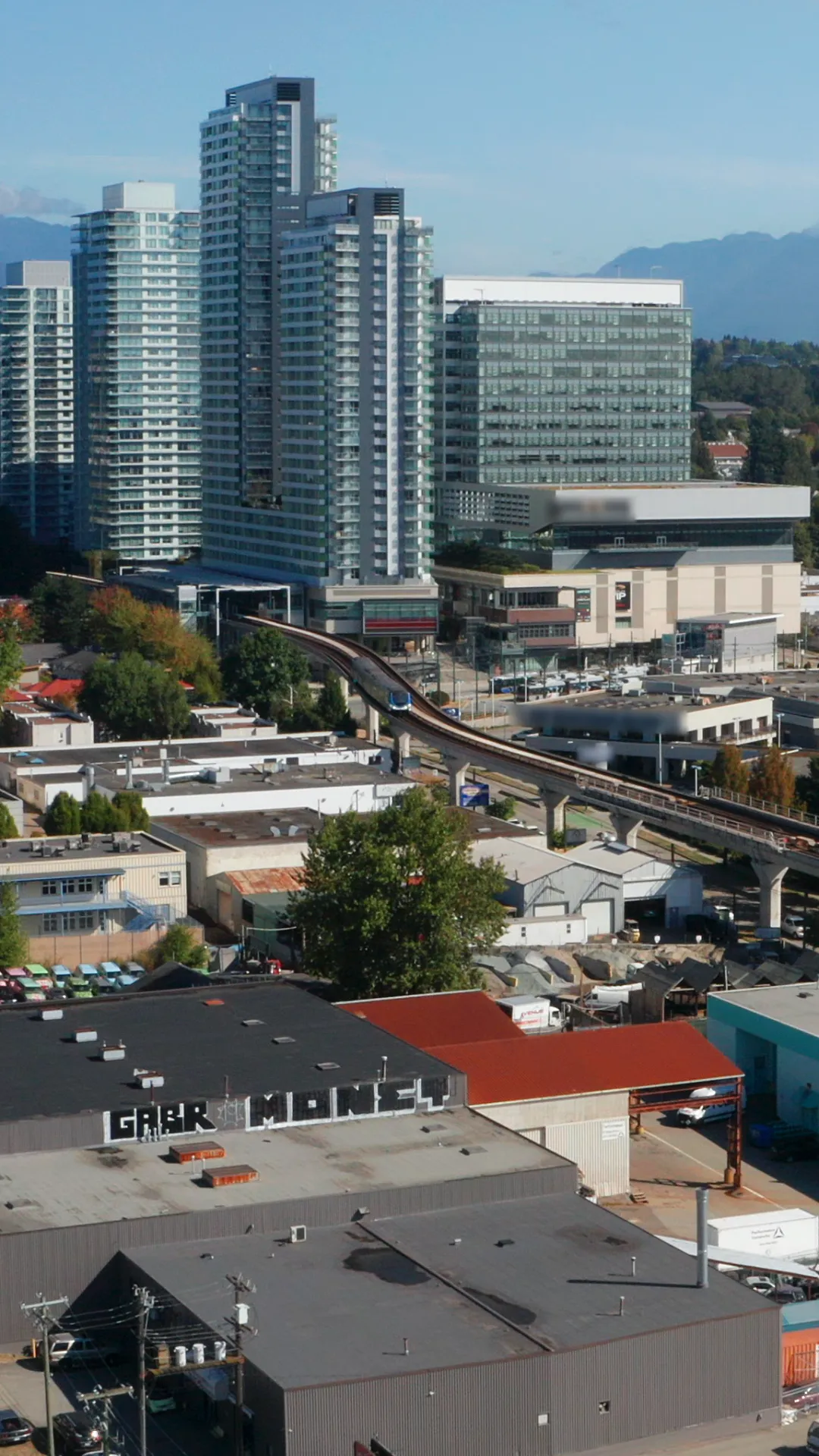
From the historic waterfront community of Steveston to the growing urban centre surrounding the Canada Line, Richmond combines residential neighbourhoods, high-density city living, farmland, natural areas and major commercial districts within approximately 130 square kilometres.
For anyone considering living in Richmond, moving to Richmond or buying a home in Richmond, understanding the city as a whole is a great place to start.
Richmond, BC at a Glance
Current Population
Approximately 229,781
2021 Census Population
209,937
Population Growth, 2016–2021
5.9%
Land Area
Approximately 129 km²
2021 Population Density
1,629 people/km²
Median Age
43.6 years
Average Age
43.3 years
Occupied Private Dwellings
81,080
Average Family Size
2.6 people
Median Household Income
$79,000*
Average Household Income
$100,500*
Average Elevation
Approximately 1 metre above sea level
*Income figures are from the 2021 Census and represent 2020 income.
The City of Richmond reported a population of 229,781 in 2024. For detailed demographic information, the most recent complete Census is the 2021 Census, when Statistics Canada recorded 209,937 residents.
Where is Richmond, BC?
Richmond is located in British Columbia's Lower Mainland and forms part of the Metro Vancouver region. It sits directly south of the City of Vancouver and north of Delta.
The city is composed primarily of islands within the Fraser River delta. Most Richmond residents live on Lulu Island, while Sea Island is home to Vancouver International Airport.
Richmond's location provides relatively convenient access to Vancouver, Delta, New Westminster, Burnaby and other communities throughout Metro Vancouver.
The city's flat geography is another defining feature. Richmond has an average elevation of approximately one metre above sea level, and its landscape includes waterfront, wetlands, agricultural land and urban and suburban development.
Richmond Population & Age
Richmond has grown considerably over the past several decades.
Statistics Canada's 2021 Census recorded 209,937 residents, up from 198,309 in 2016 — an increase of 5.9% over five years. The City of Richmond now reports a population of approximately 229,781.
According to the 2021 Census, Richmond's median age was 43.6 years, with an average age of 43.3.
The city's population included:
13.3% under age 15
66.7% between ages 15 and 64
20.0% age 65 and older
These demographics contribute to a community with housing and lifestyle needs spanning many stages of life, including young adults, families, established homeowners and older adults.
Families & Households in Richmond
Richmond had approximately 60,820 census families in 2021, with an average census-family size of 2.8 people.
The city also had 81,080 occupied private households. About 25% were one-person households, while the remainder included couples, families with children, one-parent families, multi-generational households and other household arrangements.
Richmond's varied household makeup is reflected in its housing. Depending on the neighbourhood, residents can find everything from high-rise condominiums and low-rise apartments to townhomes and established detached-home communities.
Household Income in Richmond
According to the 2021 Census, Richmond's median total household income was approximately $79,000 in 2020, while the average total household income was approximately $100,500.
For households with two or more people, the median total household income was approximately $97,000.
Because these figures represent income earned in 2020, they are useful for understanding Richmond's demographic profile but should not be interpreted as current household-income estimates.
Housing in Richmond, BC
Richmond offers a broad mix of housing, making the local real estate landscape quite different from one neighbourhood to another.
Of Richmond's 81,080 occupied private dwellings
recorded in the 2021 Census:
24,435 were single-detached houses
15,945 were row houses or townhomes
4,990 were apartments or flats in duplexes
18,590 were apartments in buildings under five storeys
15,475 were apartments in buildings five storeys or taller
1,585 were semi-detached houses
Where those homes are located matters.
Richmond City Centre and the Canada Line corridor contain a significant concentration of condominium development, while many communities farther west, south and east contain a mix of established detached homes and townhouses.
For buyers, this means choosing a Richmond neighbourhood can be just as important as choosing a housing type.
What Is It Like to Live in Richmond, BC?
Perhaps the easiest way to describe Richmond is that there isn't just one version of Richmond.
You can live in a high-rise condo within walking distance of the Canada Line, a townhouse near parks and schools, or a detached home on a quiet residential street. You can spend a morning walking the West Dyke, have lunch in Steveston, shop in City Centre and pass active farmland on the way home.
The neighbourhood you choose can significantly change your experience of living here.
That's why we've created our Living in Richmond resources to go beyond property listings. Our goal is to help you understand the neighbourhoods, housing, amenities and everyday details that make up the city.
Explore Living in Richmond
Whether you're already a Richmond resident, considering moving to the city or simply want to learn more about the community, explore our other Richmond guides for more detailed local information:
Richmond, BC Frequently Asked Questions
What is the population of Richmond, BC?
The City of Richmond reported a population of 229,781 in 2024. The most recent full Statistics Canada Census recorded 209,937 residents in 2021.
Where is Richmond, BC?
Richmond is part of Metro Vancouver in British Columbia's Lower Mainland. It is located immediately south of Vancouver and north of Delta, primarily on Lulu Island in the Fraser River delta.
Is Richmond part of Vancouver?
No. Richmond is its own municipality within the Metro Vancouver region, directly south of the City of Vancouver.
Is Vancouver International Airport in Richmond?
Yes. Vancouver International Airport (YVR) is located on Sea Island in Richmond.
How old is the population of Richmond?
According to the 2021 Census, Richmond had a median age of 43.6 years. Approximately 13.3% of residents were under 15, while 20% were 65 or older.
What types of homes are available in Richmond?
Richmond has a diverse housing supply that includes detached houses, townhomes, low-rise condominiums and high-rise condominiums. The mix of housing varies considerably between neighbourhoods.
Does Richmond have SkyTrain?
Yes. Richmond is served by TransLink's Canada Line, which connects Richmond with Vancouver and Vancouver International Airport.
Is Richmond flat?
Yes. Richmond's average elevation is approximately one metre above sea level, and much of the city's terrain is relatively flat.
Does Richmond have farmland?
Yes. Approximately 39% of Richmond's land base is within the Agricultural Land Reserve, making agriculture a significant part of the city's landscape.
Local Knowledge Matters When You're Moving in Richmond
At Dinnell Real Estate Group, Richmond isn't simply one of the markets we serve — it's our community.
As Richmond-based REALTORS® with nearly 20 years of combined real estate experience, we help clients buy and sell detached homes, townhomes and condos throughout the city. That experience has taught us that understanding Richmond real estate means understanding the neighbourhoods themselves — the streets, housing styles, parks, schools, transportation and everyday amenities that can make one area a better fit than another.
Whether you're thinking about buying, selling or simply exploring your options, we're here to help you understand the Richmond market and make an informed decision.


